Quick Answer: Poke is pronounced “POH-keh” (two syllables rhyming with “okay”), deriving directly from the Hawaiian word meaning “to slice” or “to cut crosswise into pieces.”
What is Poke?
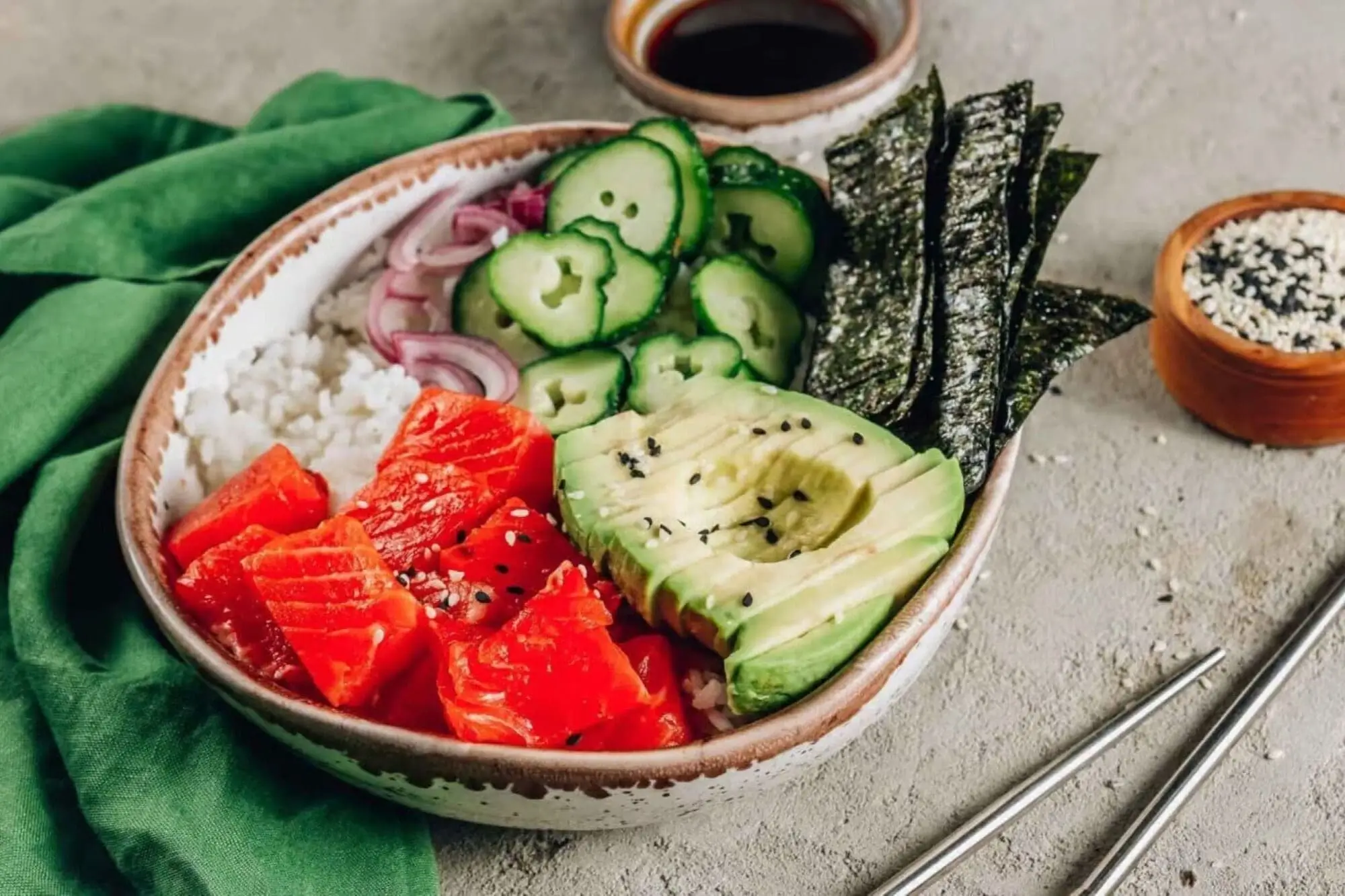
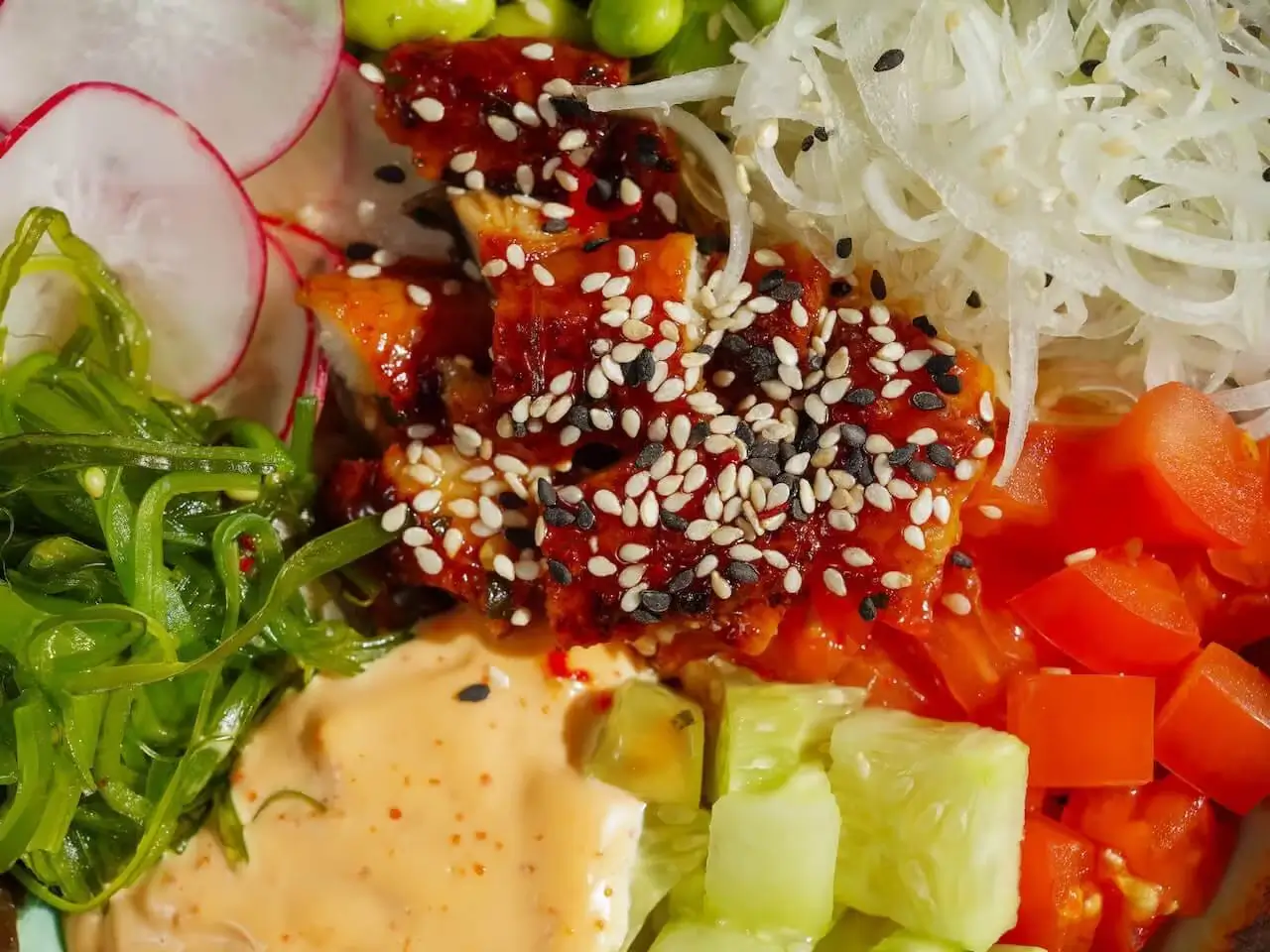
Poke is a special dish from Hawaii. It’s made with pieces of raw fish marinated or soaked in a sauce to make them tasty. The fish is usually tuna, and it’s served over rice. Then, the dish is topped with different things like vegetables, sauces, and spices. The word “poke” in Hawaiian means to slice or cut, referring to how the fish is cut into cubes.
Understanding the Authentic Hawaiian Pronunciation
When ordering a bowl of marinated raw fish, mispronouncing its name is a common stumble for first-time diners. Because the word is spelled P-O-K-E, native English speakers routinely read it as the one-syllable verb poke (as in “to poke someone with a finger”).
In the Hawaiian language, however, every vowel is pronounced independently, and there are no silent vowels at the end of words. The letter O makes a long “oh” sound, while the final E produces a short “eh” sound (similar to the e in “bed” or the ending of “cafe”).
When you put these two phonetic components together:
-
POH (rhymes with go or so)
-
KEH (rhymes with kay or the second syllable of okay)
Combining them gives you POH-keh. While writing it as “Poké” with an accent mark (é) is technically an anglicized spelling habit designed to prevent people from saying “poke,” the authentic Hawaiian origin carries no accent mark at all—just the straightforward two-syllable vocalization.
-
Incorrect (1 Syllable): “POKE” (rhymes with poker)
-
Correct Hawaiian (2 Syllables): “POH-keh” (rhymes with okay)

The Cultural Origins and History of the Word
To understand why the pronunciation matters, it helps to look at the culinary history behind the term. In the Hawaiian language (ʻŌlelo Hawaiʻi), the word poke literally means “to cut crosswise into pieces” or “to section.” It refers directly to the action of slicing raw fish—typically yellowfin tuna (ahi) or octopus (heʻe)—into bite-sized, geometric cubes.
The Ancestry of the Poke Bowl
-
Pre-Contact Hawaii: Native fishermen seasoned sliced raw catch with sea salt, limu (seaweed), and inamona (candied kukui nut).
-
19th-Century Asian Influence: Japanese and Chinese immigrants introduced soy sauce (shoyu), sesame oil, and green onions to the fresh raw fish cubes.
-
Modern Global Adaptation: A base of rice or greens was added alongside custom toppings, creamy sauces, and regional twists across North America.
Long before it became a viral fast-casual trend across North America, poke was a staple nourishment for native Hawaiian fishermen. Returning from a catch, fishermen would trim the fresh offcuts, season them with whatever local items were available—coarse sea salt, native seaweed (limu), and crushed roasted candlenut (inamona)—and consume the dish as a hearty snack.
During the 19th and 20th centuries, as wave after wave of immigrant laborers arrived in Hawaii from Japan, China, Korea, and the Philippines to work on sugarcane plantations, the dish evolved. Asian culinary influences introduced shoyu (soy sauce), toasted sesame oil, rice vinegar, and fresh ginger to the mix. Eventually, serving these marinated fish cubes over warm rice transformed a simple seaside snack into the iconic poke bowl enjoyed today.
Common Phonetic Pitfalls: Poke vs. Pokay vs. Poke
Because English speakers encounter several variations of the word online and on restaurant menus, confusion remains high. Here is how the most common versions stack up:
| Spelling / Phrase | Phonetic Guide | Is It Correct? | Context |
|---|---|---|---|
| Poke | POH-keh | Correct | The authentic Hawaiian word and proper pronunciation. |
| Poké | POH-kay | Acceptable / Accent Added | Common Western spelling variation used to guide non-Hawaiian speakers. |
| Pokay | POH-kay | Phonetic Approximation | Helpful for learning the rhyme (“okay”), but incorrect spelling. |
| Poke | POHK | Incorrect | Mispronounces the word as the English verb. |
How to Order Like a Local at Poke Bowl NY
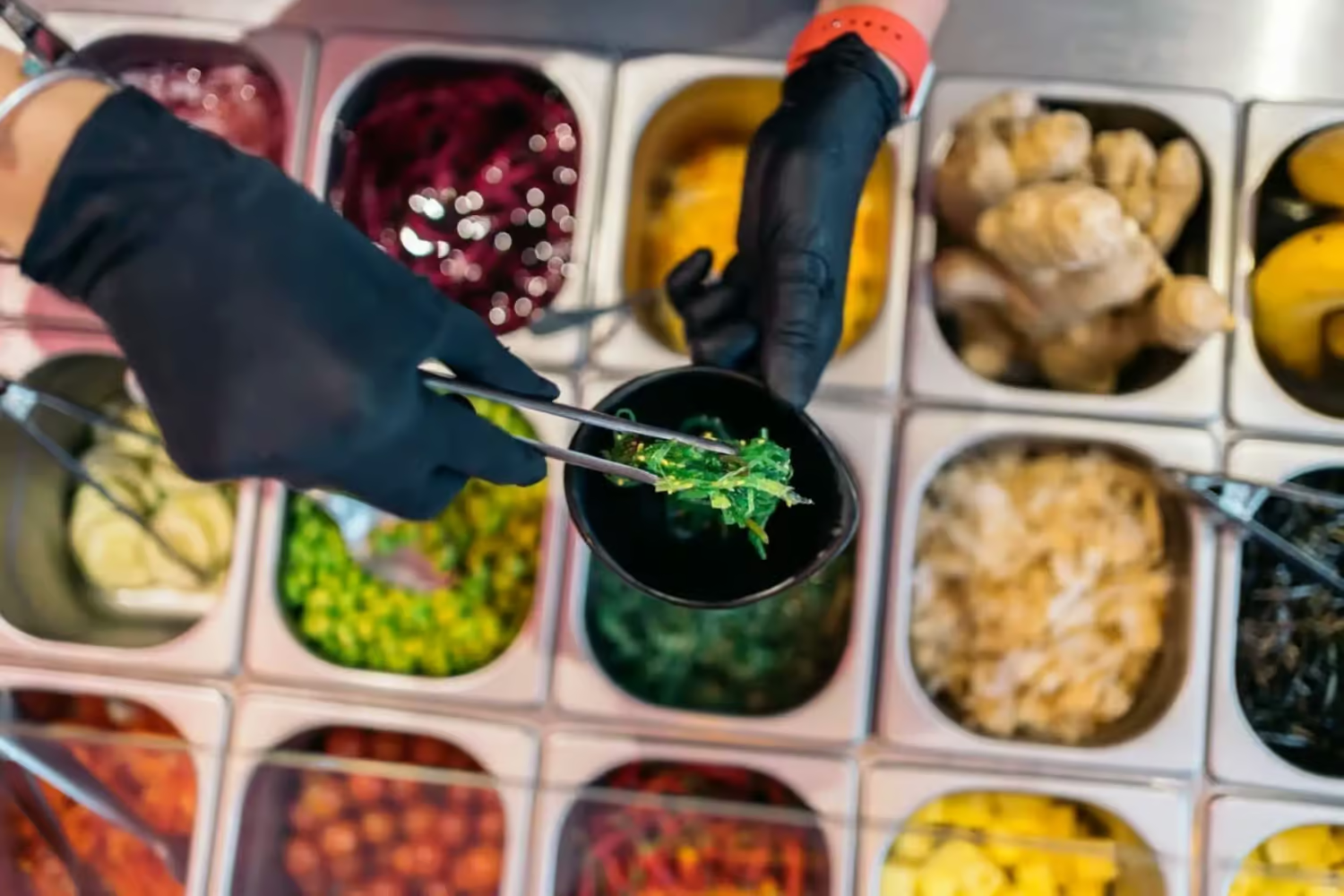
Now that you have mastered saying “POH-keh” like a local, you can order with total confidence. At Poke Bowl NY, we bring authentic Hawaiian traditions together with modern culinary innovation to serve fresh, customizable bowls every day across New York City.
How to Build Your Custom POH-KEH Bowl:
-
Choose a Base: White rice, brown rice, or fresh greens.
-
Select Your Protein: Ahi tuna, salmon, tofu, or yellowtail.
-
Pick a Dressing: Shoyu, citrus ponzu, or spicy mayo.
-
Top It Off: Edamame, avocado, crispy onions, and seeds.
When building your bowl at our shop, quality comes first:
-
Sustainably Sourced Seafood: We select top-tier sushi-grade tuna, salmon, and wild catch, sliced daily into clean, precise cubes.
-
Made-to-Order Customization: Pair your protein with warm jasmine rice, brown rice, or crisp greens, then layer on fresh toppings like edamame, cucumber, tobiko, and avocado.
-
Balanced House Dressings: From traditional shoyu and toasted sesame oil to bright citrus ponzu or creamy spicy mayo, every sauce is crafted to complement—never overpower—the natural flavor of the fish.
Whether you are stopping in for a quick lunch near our World Trade Center location or dining at any of our spots across the city, you can step up to the counter and order your custom POH-keh bowl with authentic style.